How Restylers Can Maximize Their
Lead Flow With Paid Search
Marketing
Practical Marketing Training for Restylers & Aftermarket Leaders
In this webinar, Jesse Stoddard and paid ad specialist Butter from Auto Style Marketing break down how restylers can use Google Ads to generate more calls, better leads, and more consistent revenue. Everything shared is based on working directly with restylers, testing in real markets, and seeing what actually drives leads and sales in the aftermarket automotive accessories industry.
Workbook and Agenda
A workbook is available that delves deeper into everything covered in this webinar, with checklists and examples to help you apply what you learn. Here is what this webinar covers:
- Why paid marketing is the key to scaling your lead flow consistently
- What is working right now in today's market, not outdated strategies
- A real case study where cost per lead dropped from $80 down to $12
- Live examples generating anywhere from 5 to 10x return on ad spend
- How to structure your campaigns properly, covering KPIs, tracking, landing pages, and overall setup
Who Is This For
This is tailored specifically to the aftermarket automotive, accessories, installers, and restyler space. What works for plumbers or dentists does not always translate to restylers. Jesse Stoddard is a SEMA pro council member who has spoken at SEMA education sessions and works closely with shops all over the country. He wrote The Auto Restylers Digital Marketing Playbook. Butter has been the paid ad specialist for the past five years, making ad spend profitable for restyler businesses.

The Accelerated Growth Model
There are three main levers that shops need to get right:
Most shops focus only on getting more leads but ignore the other two. When all three work together, growth becomes predictable.

Drive Leads
Getting more car and truck owners interested in services like tint, PPF, wraps, or accessories. Even people who do not know what a restyler is or what is available to them.
Maximize Conversion
When someone visits your site or calls you, they actually book. This is where your website, your reviews, how fast you respond, and your follow-up system come into play.

Optimize Your Results
Tracking what is working, lowering your cost per lead over time, and increasing your return on ad spend and ROI.
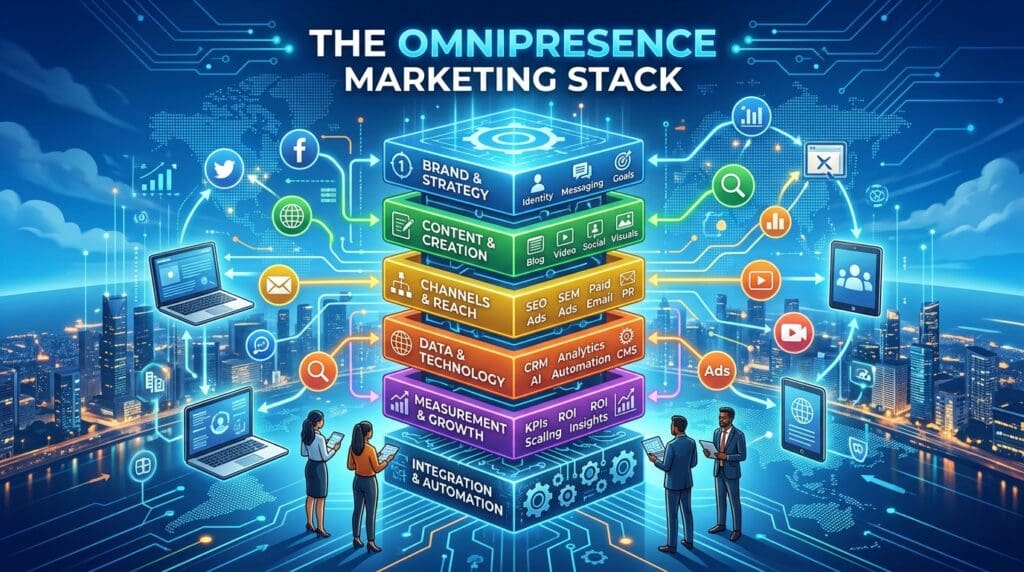
The Omnipresence Marketing Stack
The goal is simple: show up everywhere your customer is looking. Whether they are on Google, social media, directories, or coming back later, you are there. This includes SEO, paid ads, retargeting, social media, database reactivation through emails and texts, and online directories.
Most shops rely on just one channel. Maybe they are all about Instagram. But you cannot cash likes at the bank. Branding has a place, but even referrals are shopping you online now. The shops that grow dominate multiple touch points until competitors cannot keep up.
Why Paid Ads Matter
Paid ads are fast. While SEO might take six to nine months to build up, ads can start showing up immediately for high-intent searches. It might take about 30 days to really work the kinks out, but you can see results quickly.
Unlike social media, which is interruption marketing, paid search shows up exactly where customers are already looking. Somebody types in “window tint near me” or “PPF installer” and you are right there.
You can target very specific services even without city names. And the biggest advantage is scalability. If you want more jobs, more installs, more revenue, you can turn the dial up. That is something organic alone cannot do.
Paid Channels Breakdown
At the core, you have paid search through Google Ads. Local service ads (Google Guaranteed) are not yet available for most restylers, but may be in the future. Then you layer in retargeting to show ads to people who already visited your website but did not book. Paid social includes Facebook, Instagram, YouTube, and potentially TikTok, though that is more of a branding play and harder to measure ROI. Directories and pay-per-lead forms are another channel.
The right order to build your marketing stack:
Most shops jump straight to social ads. Real growth comes from building it in the right order.
01
Start with your organic foundation — a fast, converting website and SEO
02
Add paid search through Google (and some Bing) for highest-intent leads
03
Look for opportunities on paid directories as they become available
04
Add social ads as icing on the cake
Google Ads Basics: How It Works
It all boils down to three things. Somebody searches for something, like “window tint near me.” They see an ad, they click on it, it takes them to a website, and they decide if they want to contact that business.
What determines if your ad shows up on top? Yes, budget matters, but what is way more important is how aligned these three components are:
- The specific search terms or keywords people search
- The ad they see as a result of that keyword
- The page they end up on
If the messaging is aligned between these three components, Google gives you a high ad quality score. They prefer your ad over others, you show up on top, you get better visibility, more clicks, and ultimately more leads.
Common PPC Pitfalls
Several mistakes lead to failed Google Ads campaigns:
- Not understanding how Google Ads work in the first place
- Not understanding how competitive the market is for your keywords
- Stacking all keywords into one generic campaign instead of splitting them by service
- Using the same ads and landing pages for everything instead of matching them to what the customer is searching for
- Not having a strong offer — when competitors are doing the same thing, your offer is the differentiator
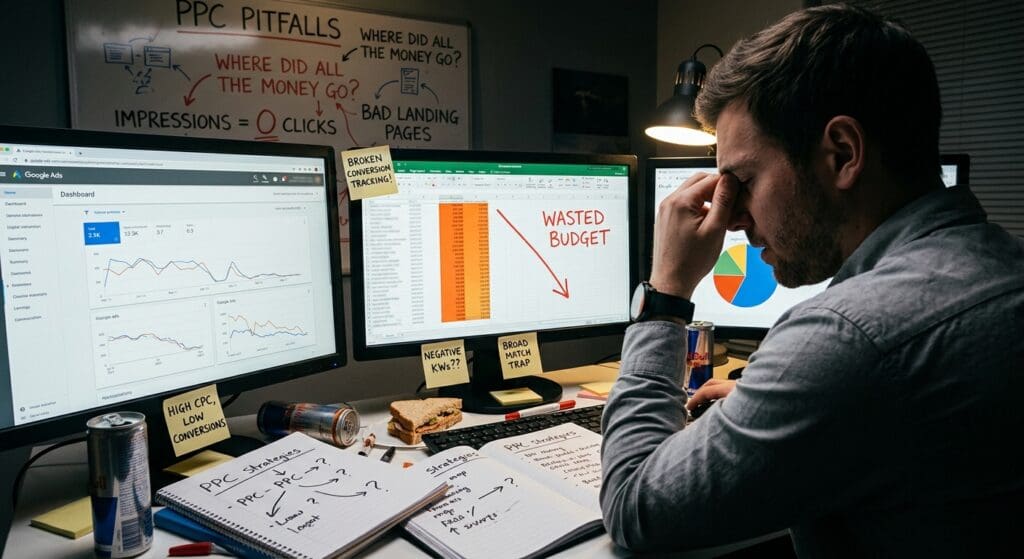
When you stack all keywords together, Google gets confused. If one campaign targets window tint, lift kits, bed covers, and bed liners all at once, Google is not sure if the ad is actually relevant. You lose visibility and you lose dollars.
Campaign Structure Blueprint
Each service should have its own dedicated campaign. If you are running a campaign for paint protection film (PPF), only target keywords related to PPF in that campaign. Do not mix in wraps, custom upholstery, or bed liner installation. When somebody searches for “bed liners near me,” Google right away knows your ad is the most relevant.
Target High Margin Services
Focus your Google Ads on high-intent, high-end services that are more profitable. Do not run ads for low-end services where the margin is too low. Even if you get a lot of leads, the numbers will not justify the spend. If you have the budget, you can add additional services after you have already optimized the profitable ones.
Dedicated Landing Pages Matter
The page people land on after clicking your ad should be specifically created for that campaign and that service. If you drive traffic to a generic website, there is message mismatch. Someone searches for “bed liners near me,” sees an ad for local bed liner installers, clicks it, and lands on a page talking about all your other services too. That creates friction. People get confused, scroll a few pages, and bounce.
Every click counts. Every click you are paying for. Create dedicated pages for paid ads so that when somebody clicks your ad, the page is specifically talking about that service and nothing else.
Landing Page Best Practices
Every service page should:
The easier it is for customers to take action, the more leads you will generate.
- Match the keyword searched
- Clearly explain the service
- Showcase photos and examples
- Include reviews and testimonials
- Provide multiple contact options
- Offer a clear next step
Buyer Journey Message Match
The most successful campaigns focus on high-intent keywords. Examples include:
The goal is to capture buyers who are ready to make a decision.
- Truck accessories near me
- Vehicle customization near me
- Automotive accessories installer
- Window tint
- Lift kits
- Wheels and tires
- Vinyl wraps
- Fleet upfitting
- Best restyling shop near me
- Truck customization near me
- Lift kit installation near me
KPIs That Actually Matter
Many businesses focus on clicks. Successful shops focus on leads and revenue. Important metrics include:
- Calls generated
- Form submissions
- Cost per lead
- Conversion rate
- Revenue generated
- Return on ad spend
The real question is not “How many clicks did we get?” It is “How many profitable jobs did we generate?”

Case Study: CPL Drop
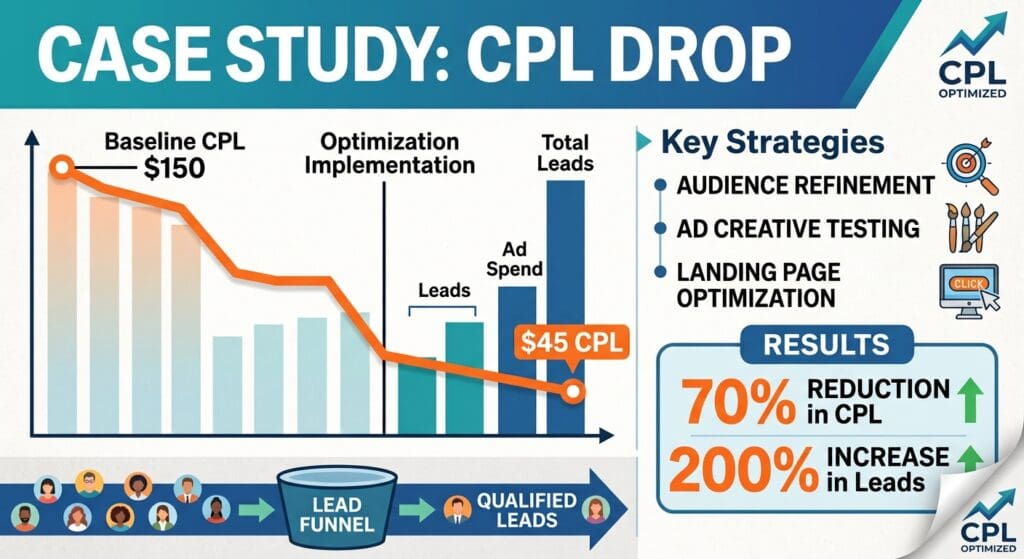
One client, Automotive Concepts, was costing $91 per conversion when onboarded. If one lead costs $91 and not every lead converts, the math was daunting. Through aggressive work over three months dialing in keywords, ad copy, and landing pages, the cost per lead dropped from $91 to $14. Not only that, the number of leads increased from 56 to 140. Ads were more relevant, people were getting their questions answered, and they were converting.
Conversion Tracking Setup
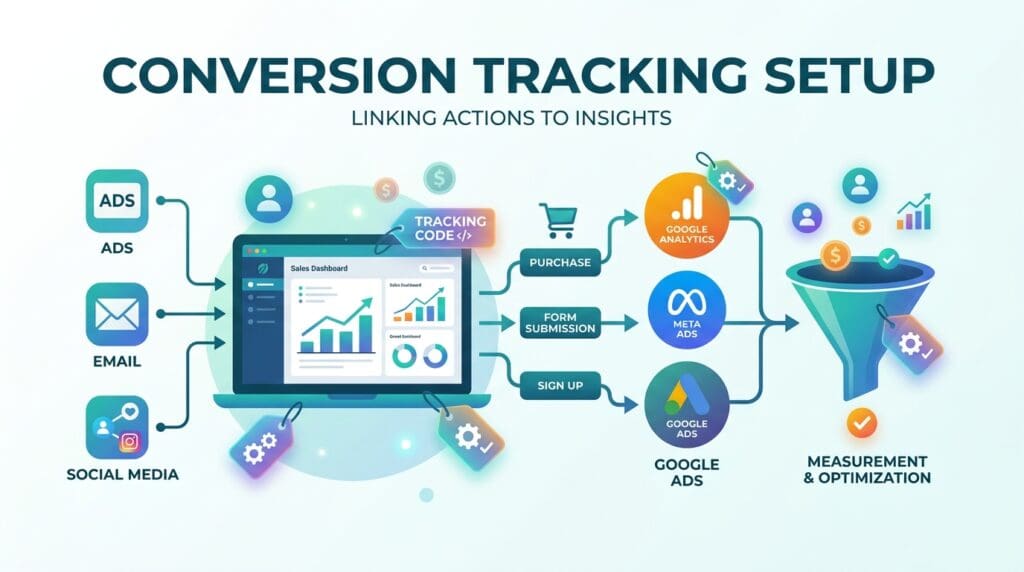
Everything discussed means absolutely nothing if you are not tracking what needs to be tracked. Before you spend a single penny on Google Ads, make sure tracking is set up. What actions do you want people to perform? Do you want them to fill out a website form or call you? You have to track every single form submission and phone call.
Tracking also helps Google Ads itself better understand the kind of people who are interested in contacting you, which improves targeting and eventually brings more qualified leads.
The four main components to succeed in Google Ads:
- Keywords that match what people search
- Ad copies that match those keywords
- Landing pages that match those keywords
- Tracking
Retargeting and Automation
Most shops completely overlook retargeting and automation. This is what happens after somebody visits your website but does not book. The reality is most people do not convert on the first visit. They shop around, and if you are not following up, you are losing leads you already paid for.
Key facts about follow-up:
If you are not set up to respond instantly and consistently, you are losing deals to faster competitors.
- If you do not follow up within about 15 minutes, that lead goes cold
- The average customer needs five to seven follow-ups before they actually book
- Most shops follow up once
- Today's customers prefer texting over calling or email
How Retargeting Works
Every service page should:
Instead of losing the visitor, you stay in front of them until they are ready. This is how you increase conversions without increasing ad spend.
The goal is simple: speed to lead and consistent follow-up. That is what turns leads into actual booked jobs.
- Someone visits your site after searching for something like tint or PPF
- A tracking pixel is dropped on the site to recognize visitors
- Your additional ads start showing up on other sites they visit — news websites, blogs, social media
- They come back and finally book later
Action Items and Next Steps
If you do not take action when you learn something new, you did not really learn it. Just-in-time learning is better than just-in-case learning.
Use the workbook to write down your top action items and take action on what you learned today.
Free Audit and Strategy Session
A free ranking report and full online audit is available, including a free strategy session. This includes:
- Analysis of your visibility
- Custom keyword list for restylers
- Ranking report showing where you rank
- Analysis of online directory listing consistency
- Analysis of reviews and reputation
- Social presence review
- Website conversion effectiveness
- Ad account review
You can reach out at autostylemarketing.com or 206-875-2922. Availability is open to a few more clients right now.