
Hannah Coulter Neal wanted a future in her family's automotive business. Running a marine manufacturing operation was not part of the original plan. In fact, when her dad suggested starting a boat-foam flooring company, her first reaction was that there weren't enough lakes nearby to make it work.
Then she started spending time inside the business, noticed problems she could help solve, and found herself drawn into manufacturing.
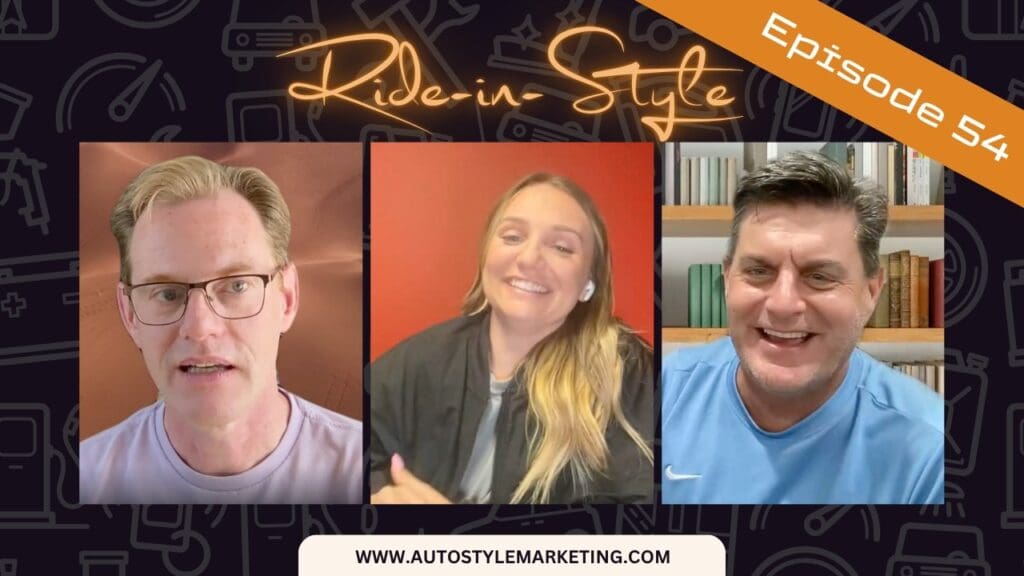
In Episode 54 of the Ride-in-Style Podcast, Hannah joins Jesse Stoddard and Josh Poulson to talk about Automotion Customs, the growth of Motion Marine, and what happens when a younger generation gets room to lead. Her story connects hands-on learning, online sales, and industry relationships with the everyday work of building a business.
Growing Up in the Family Business
Hannah traces the family's automotive business back to Maryland in 1999, when her dad began a mobile installation operation after serving in the Coast Guard. The family later moved to Georgia, where Automotion Customs serves customers and dealerships in the middle Georgia area.
For Hannah, the business was part of childhood. She remembers being dropped off at school in the installation van and growing up around employees who stayed with the company for years. After earning a business management degree, she came back to work in sales and finance.
That familiarity gave her a starting point, but it didn't mean she already knew how to run every part of a business. Motion Marine would make that clear.
Finding a Bigger Market for Marine Foam
Motion Marine began with foam flooring for boats. Hannah soon saw opportunities beyond the boat itself.
One example was personalized foam for Turtlebox outdoor speakers. The connection made sense: a material used in marine settings could also become a personal touch on outdoor gear. The conversation expands into cooler tops and other applications where the same core capability could serve a different customer need.
For restylers and upfitters, that's a useful way to think about an adjacent product line. Rather than adding something unrelated, look at the skills and materials you already understand. Where else could they solve a problem or help a customer make something their own?
Two Weeks to Learn the Equipment
One of Hannah's toughest moments came when Motion Marine's general manager gave notice. She knew how to sell and talk to customers, but she didn't know how to operate the manufacturing equipment.
She called Savannah Cranford, who had been helping with social media and had graphic-design skills. Together, they worked through the CNC machine's manual, stayed late, and learned by doing. Hannah is candid about making mistakes along the way.
The story isn't a shortcut to technical expertise. It's a reminder of how vulnerable a business can become when essential knowledge sits with one person. For a shop owner, the practical question is simple: if a key employee left, who else would know how to keep the work moving?
Different Businesses Need Different Sales Approaches
Hannah misses seeing an automotive customer's reaction when they pick up a finished vehicle. Motion Marine offers a different experience: customers can place an order online without waiting for a conversation during business hours.
She describes using Shopify for Motion Marine and spending time maintaining the website herself. Social media and word of mouth are important sources of customers in her account of the business.
At Automotion Customs, the social approach is more closely tied to dealership relationships. Hannah talks about posting finished work and tagging the dealerships involved. The point is not just to show off an installation. It's to help the dealership show the vehicle to its own potential buyers.
The lesson is to match the marketing to how each customer buys, rather than expecting one website or posting routine to fit every business model.
Turning Industry Involvement into Relationships
Hannah's involvement with SEMA PRO grew from meeting people and learning from them. Entering the PRO Cup Challenge with a Toyota RAV4, and winning, became an important part of that journey. In the interview, she also describes helping organize the challenge.
What stands out most to her is the network behind the event. Being around other business owners has helped her approach negotiations, changes in direction, and problems with more confidence. Relationships with sales representatives also give her people to call when a part or delivery issue needs attention.
Josh points to another ingredient: leadership that allows people to take responsibility. Hannah's dad has given her and Automotion's general manager, Tyler, space to do their work and learn. For businesses bringing the next generation into leadership, that balance of support and responsibility is worth considering.
Watch the Full Conversation
Watch Episode 54 for Hannah's full story, including her move into manufacturing, the role of social media, and what she has learned through SEMA PRO. Explore Motion Marine and Automotion Customs to learn more about the businesses discussed, or browse the Ride-in-Style podcast library for more conversations with restylers and aftermarket professionals.